
working
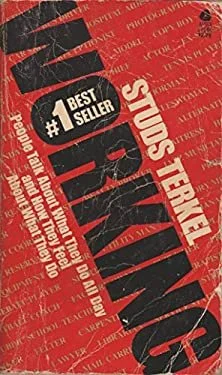
My grandfather gave me Working when I was 13 or 14.
He was born in 1929 to a 16-year-old immigrant single mother. Grew up during the Depression. Worked his way up from farm hand to sailor to captain of a large freight-liner.
It was important to him that I understand what was in this book.
Working: People Talk About What They Do All Day and How They Feel About What They Do is Studs Terkel's 1974 oral history of American workers.
Not CEOs. Not executives. Not "thought leaders."
Steelworkers. Waitresses. Hookers. Truck drivers. Stone masons. Receptionists. Coal miners. Bank tellers. Garbage collectors. Piano tuners.
Over 130 people talking about their jobs.
What Terkel understood - what my grandfather understood - is that work isn't just what you do for money. It's how you spend most of your waking life. It's where you find meaning. Or don't. And the people doing the work have something to say about it.
Terkel didn't romanticize labor. He didn't write about noble suffering or the virtue of hard work. He just asked people: What do you do all day? How do you feel about it?
And he listened. Really listened.

What emerges is the Realist's clear-eyed view of reality:
Some people find deep meaning in their work. Some people are slowly being destroyed by it. Some people are just surviving. Most people are some combination of all three.
There's pride. There's frustration. There's exhaustion. There's creativity. There's boredom. There's dignity. There's rage. No sugarcoating. No easy answers. Just people telling the truth about their lives.
One of the most powerful things about Working is how Terkel treats every person with the same respect. The cleaning woman gets the same space as the editor. The factory worker's insights are given the same weight as the executive's. This is the Realist's deep egalitarian belief: everyone's experience has value. Not because everyone's job is equally important. Because everyone's humanity is.
Terkel writes in the introduction:
"This book, being about work, is, by its very nature, about violence—to the spirit as well as to the body... It is about a search, too, for daily meaning as well as daily bread, for recognition as well as cash, for astonishment rather than torpor; in short, for a sort of life rather than a Monday through Friday sort of dying."
read: Working— People Talk About What They Do All Day and How They Feel About What They Do
